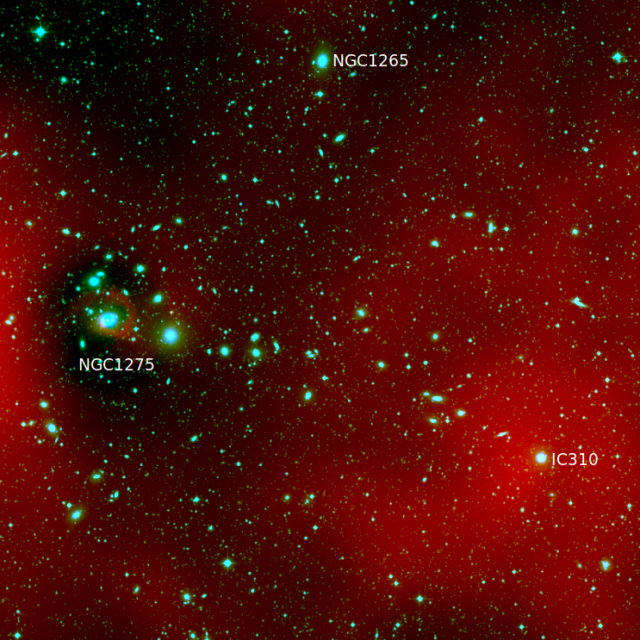
Five Billion Years Of the Brightest Galaxy Cluster's Life Astrophysicists analyzed the data from three X-ray observatories to get the most detailed map of Perseus cluster.
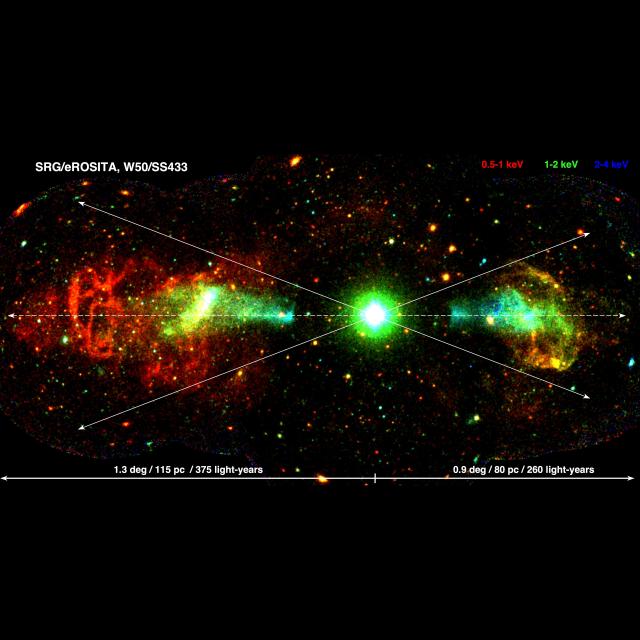
X-Ray Panorama of W50 'Manatee' Nebula Through the 'Eyes' of SRG/eROSITA Telescope Scientists from Russian consortium of SRG/eROSITA telescope carried out the most detailed study of W50 nebula with SS433 binary system. The paper presenting the results of the study was published in Astronomy&Astrophysics.
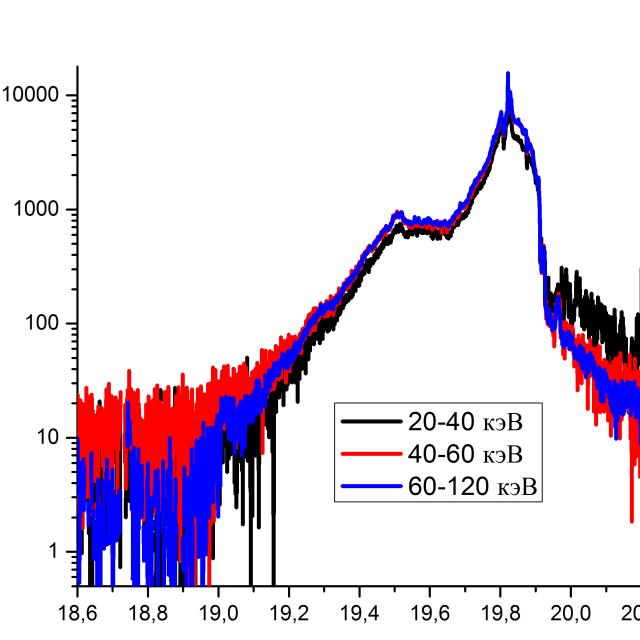
The Sun Sent to Earth Many Protons, But Not Very Energetic Strange events occurred near the Earth after solar flare X1.9 on 18 January 2026. That were the arrival of coronal mass ejection on 19 January, followed by record flux of solar protons and geomagnetic storm on 19–21 January. Mikhail Pavlinsky ART-XC telescope aboard Spektr-RG observatory studied the solar flare and the proton event in the vicinity of L2 Lagrange point.
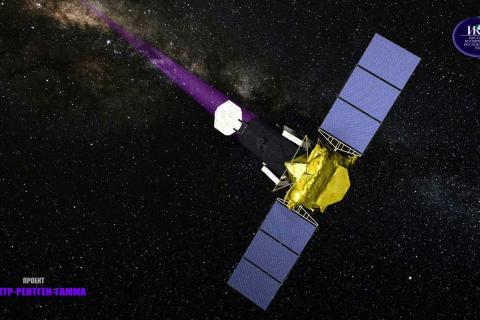
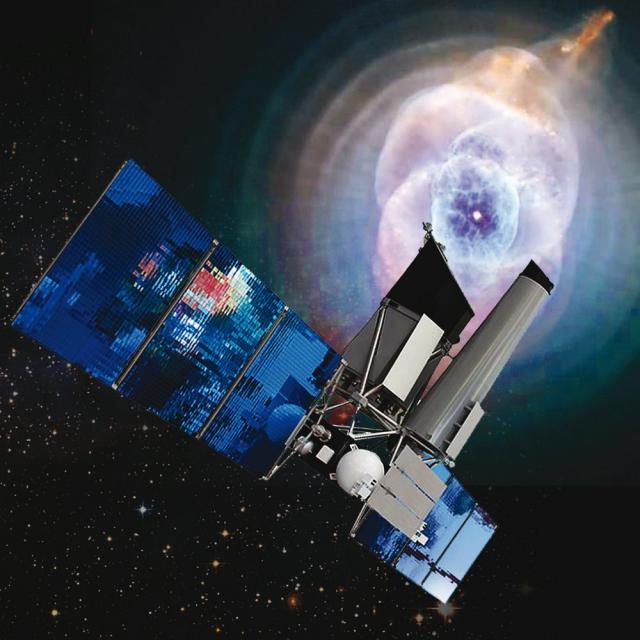
Spektr-RG Completed Nominal Mission January 13, 2026 Spektr-RG observatory marked 6.5 years since the day of its launch, which is also its guaranteed operational time. Today the observatory has successfully completed its nominal mission and continues studying the Universe in hard X-ray range.
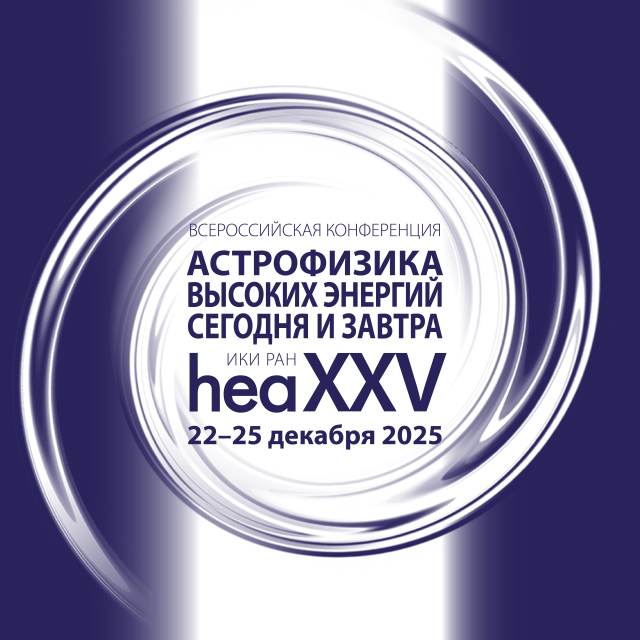
25th Conference High-Energy Astrophysics Today And Tomorrow 2025 The conference started at IKI on 22 December 2025.
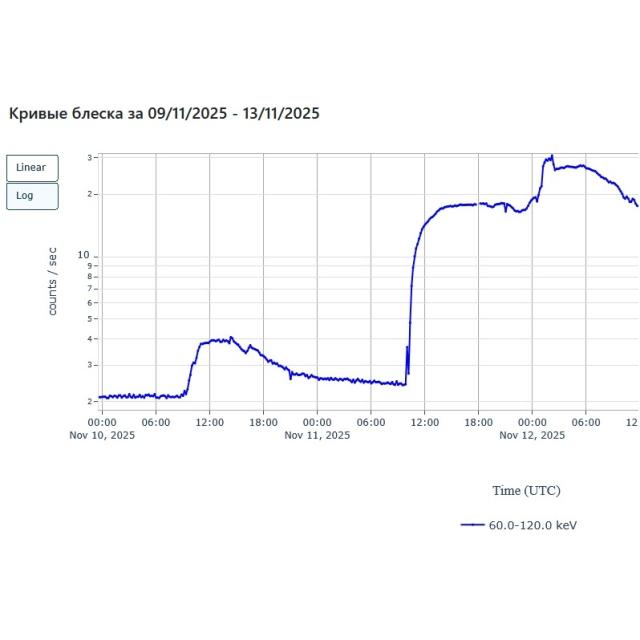
Mikhail Pavlinsky ART-XC Telescope Feels the Rise of Solar Activity in November Large solar flares on November 9–11 2025 were the cause of solar mass ejections, which, in turn, resulted in intense geomagnetic storms. On November 10–14 2025 Mikhail Pavlinsky ART-XC telescope onboard Russian Spektr-RG observatory registered the rise in high-energy proton fluxes in L2.
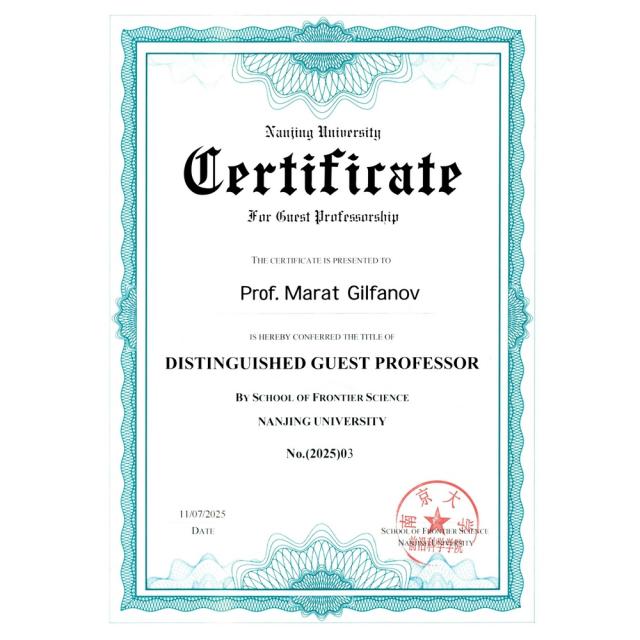
Professor Dr. Marat Gilfanov Elected Distinguished Guest Professor By School of Frontier Science Nanjing University The award ceremony took place on November 7, 2025.
Galactic Centre In X-Rays Mikhail Pavlinsly ART-XC X-ray telescope studies the properties of the nuclear stellar disc of the Milky Way.