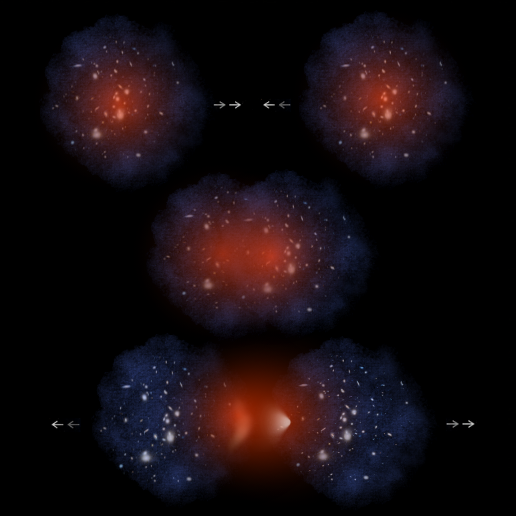

Peanut Cluster Might Be the Result of the Great Cluster Merger IKI scientists and their colleagues from the international team got new evidence in favour of the fact that the Peanut galaxy cluster (SRGe CL0238.3+2005) undergoes a stage of collision between two giant substructures — soon after their nuclei have passed through each other. This follows from the measurements of the galaxies’ radial velocities, X-ray observations data, and dynamical simulations. The study has been published in Astronomy & Astrophysics* and the Journal of High Energy Astrophysics.
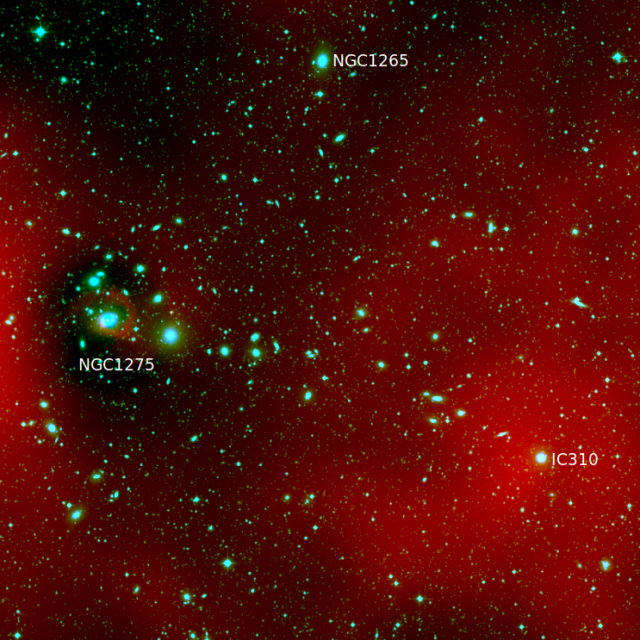
Five Billion Years Of the Brightest Galaxy Cluster's Life Astrophysicists analyzed the data from three X-ray observatories to get the most detailed map of Perseus cluster.
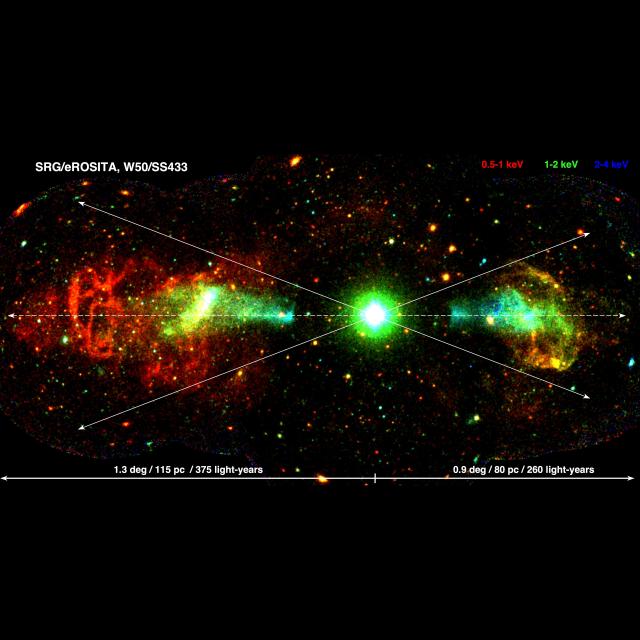
X-Ray Panorama of W50 'Manatee' Nebula Through the 'Eyes' of SRG/eROSITA Telescope Scientists from Russian consortium of SRG/eROSITA telescope carried out the most detailed study of W50 nebula with SS433 binary system. The paper presenting the results of the study was published in Astronomy&Astrophysics.
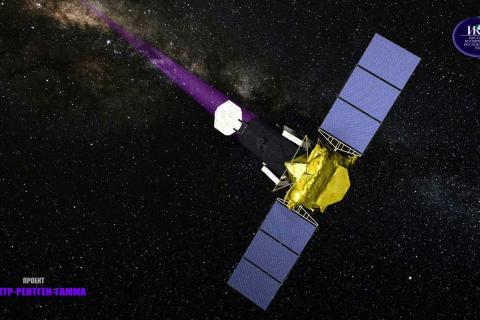
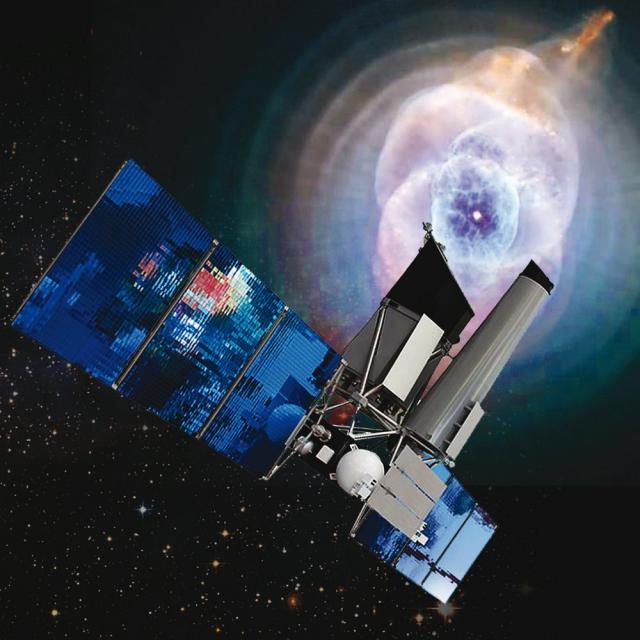
Spektr-RG Completed Nominal Mission January 13, 2026 Spektr-RG observatory marked 6.5 years since the day of its launch, which is also its guaranteed operational time. Today the observatory has successfully completed its nominal mission and continues studying the Universe in hard X-ray range.
25th Conference High-Energy Astrophysics Today And Tomorrow 2025 The conference started at IKI on 22 December 2025.
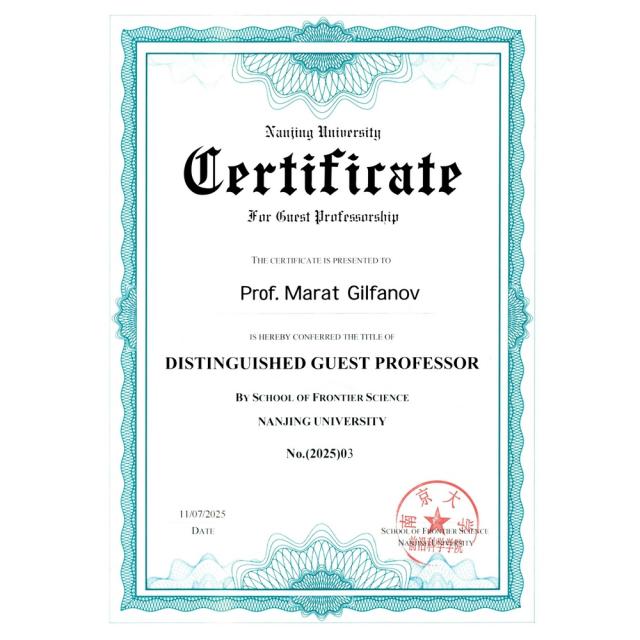
Professor Dr. Marat Gilfanov Elected Distinguished Guest Professor By School of Frontier Science Nanjing University The award ceremony took place on November 7, 2025.
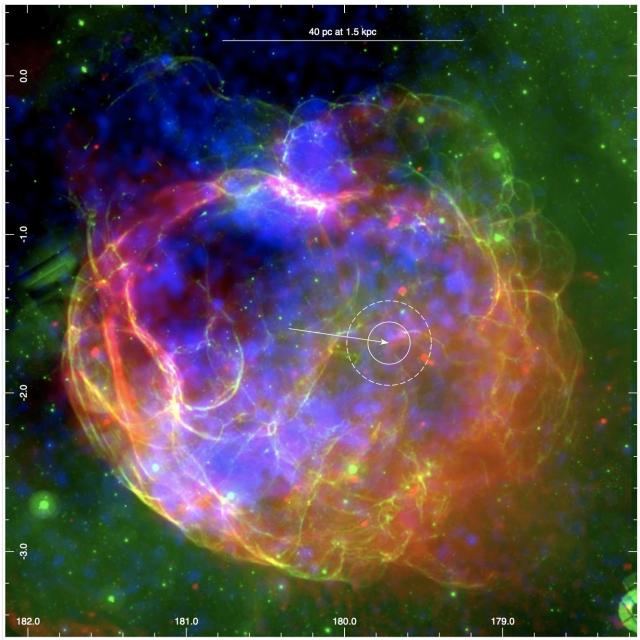
The Most Splendiferous Supernova Remnant In the Galaxy The team of astrophysicists from IKI and other organizations used X-ray data collected by SRG/eROSITA telescope onboard Spektr-RG observatory to look into the hot interior of the S147/Spaghetti nebula and explain its unusual properties.
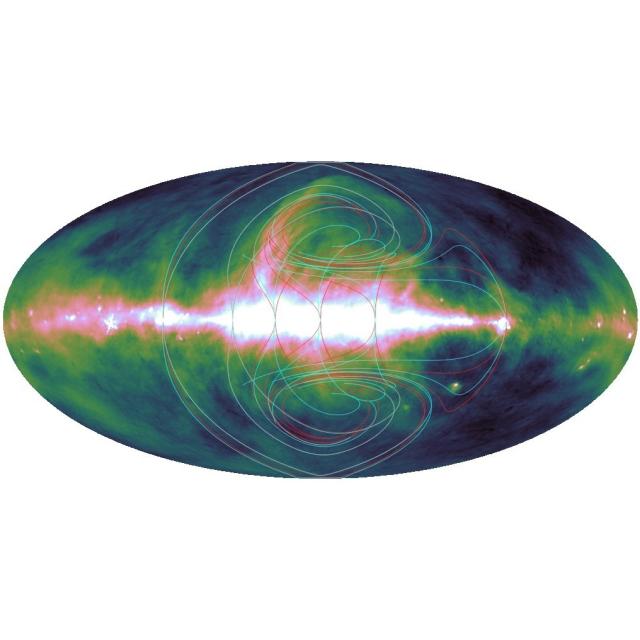
North Polar Spur — Bright Arc In Synchtron Radiation of the Galaxy And In the X-Ray Map of SRG/eROSITA New model developed by IKI astrophysicists and their colleagues and based on the data of SRG/eROSITA X-ray telescope, links the bright structure seen in our Galaxy to bubbles of hot gas that emerge from star-formation regions like smoke from the chimney.